Jordan presents a high density of historical, geographical, and cultural sites within a compact landmass. Efficient travel planning requires understanding the geographical distribution of these locations. This article categorizes the primary destinations in Jordan and outlines the logistical requirements for each site.
Amman: The Capital and Operational Hub
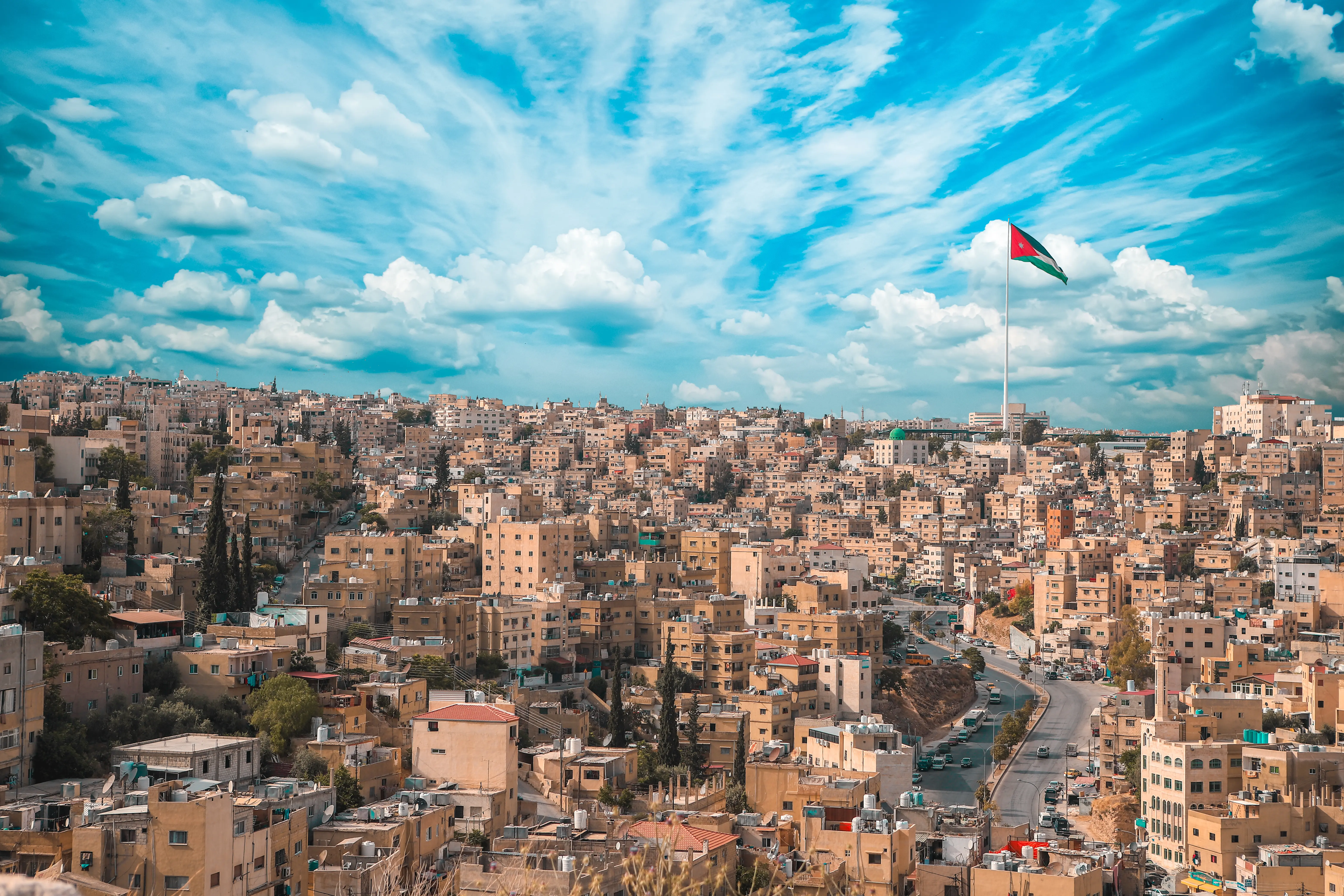
Amman functions as the primary entry point and logistical base for international arrivals. It is an urban center constructed across multiple hills. The primary historical sector is the Amman Citadel (Jabal al-Qal’a), which contains the Temple of Hercules, the Umayyad Palace, and the Jordan Archaeological Museum. The Citadel provides a necessary vantage point over the downtown basin. At the base of the Citadel lies the Roman Amphitheater, a 6,000-seat, 2nd-century structure integrated directly into the hillside of Al Balad. Al Balad itself serves as the historical commercial center, useful for accessing traditional food sectors and observing local economic activity.
Jerash: Roman Urban Architecture
Located 45 kilometers north of Amman, Jerash (ancient Gerasa) contains extensive and highly preserved Greco-Roman ruins. The site demonstrates standard Roman urban planning adapted to local topography. Primary structural points include Hadrian’s Arch, the Hippodrome, the Oval Plaza, the Cardo Maximus, and the Temple of Artemis. Comprehensive observation of the archaeological site requires a minimum of three hours and physical navigation over uneven stone terrain.
Petra: The Nabataean Capital
Positioned in the southern region of Wadi Musa, Petra is a UNESCO World Heritage site and the primary economic driver of Jordanian tourism. The ancient city was carved directly into sandstone cliff faces by the Nabataeans. The primary entrance route is the Siq, a 1.2-kilometer geological gorge. This pathway terminates directly at Al-Khazneh (The Treasury), the site’s most recognizable architectural facade. Extended navigation through the site includes the Street of Facades, the Royal Tombs, and the Colonnaded Street. The ascent to Ad-Deir (The Monastery) requires navigating approximately 800 rock-cut steps. A one-day allocation is the strict minimum requirement; two days are optimal for covering peripheral trails.
Wadi Rum: The Protected Desert Area
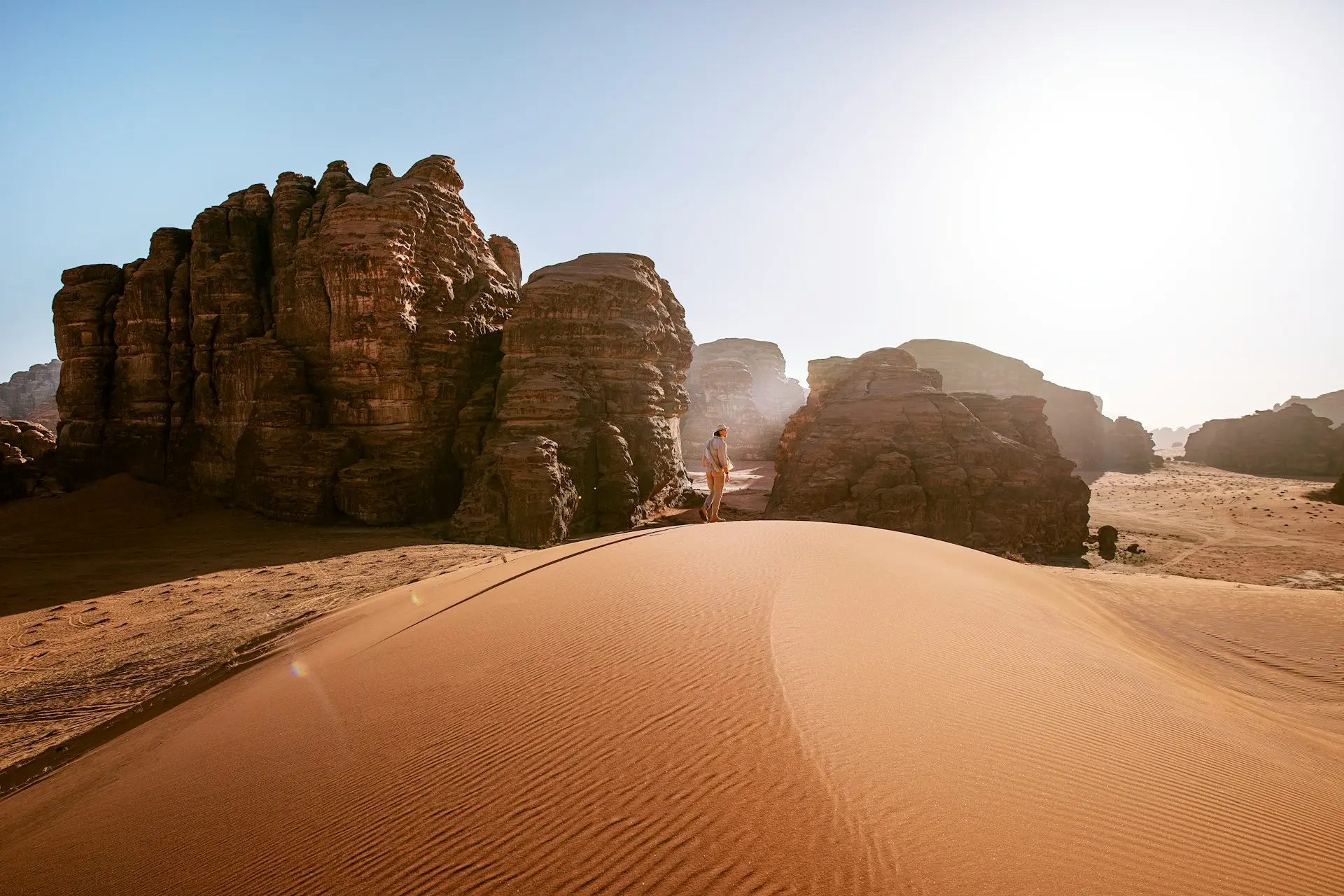
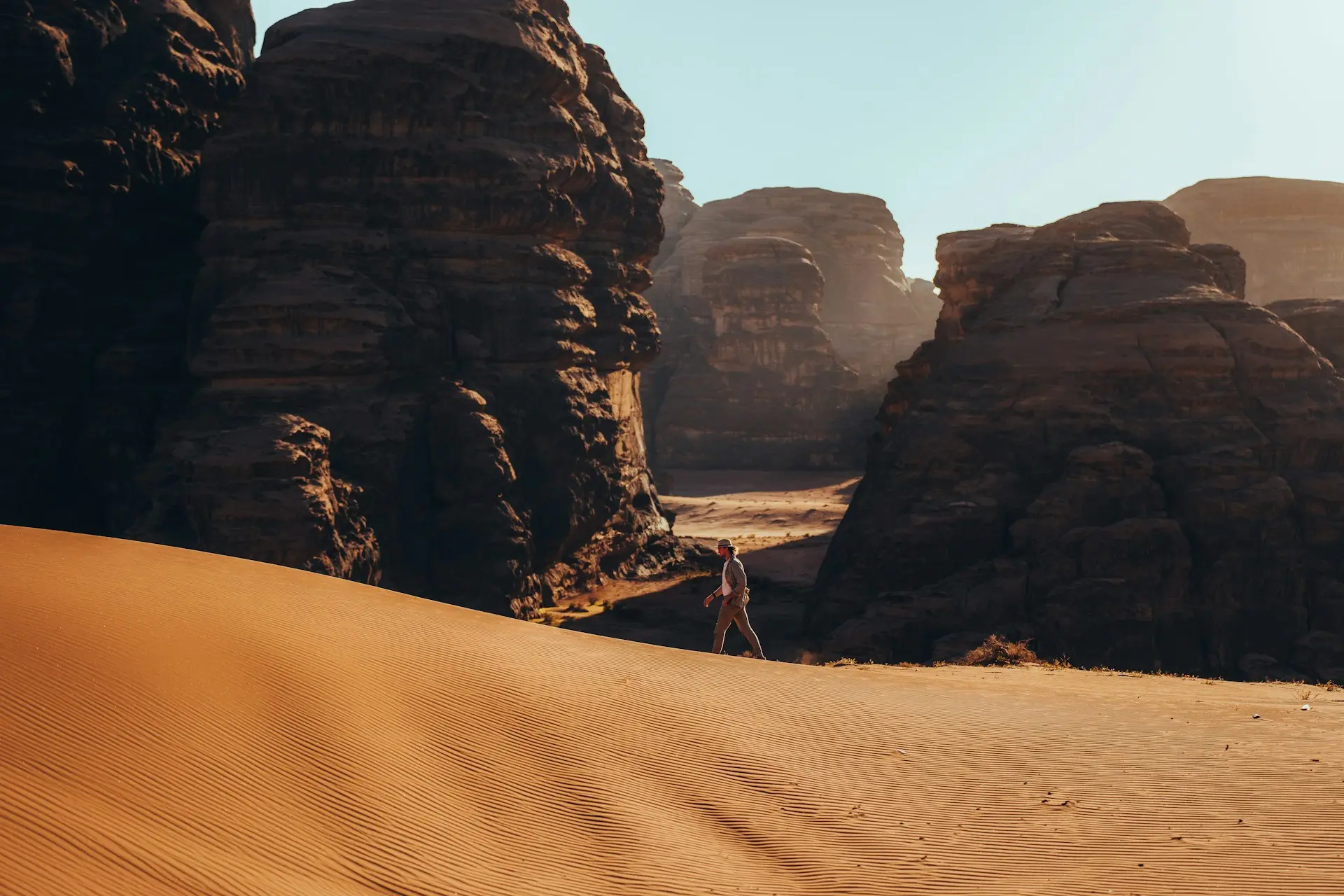
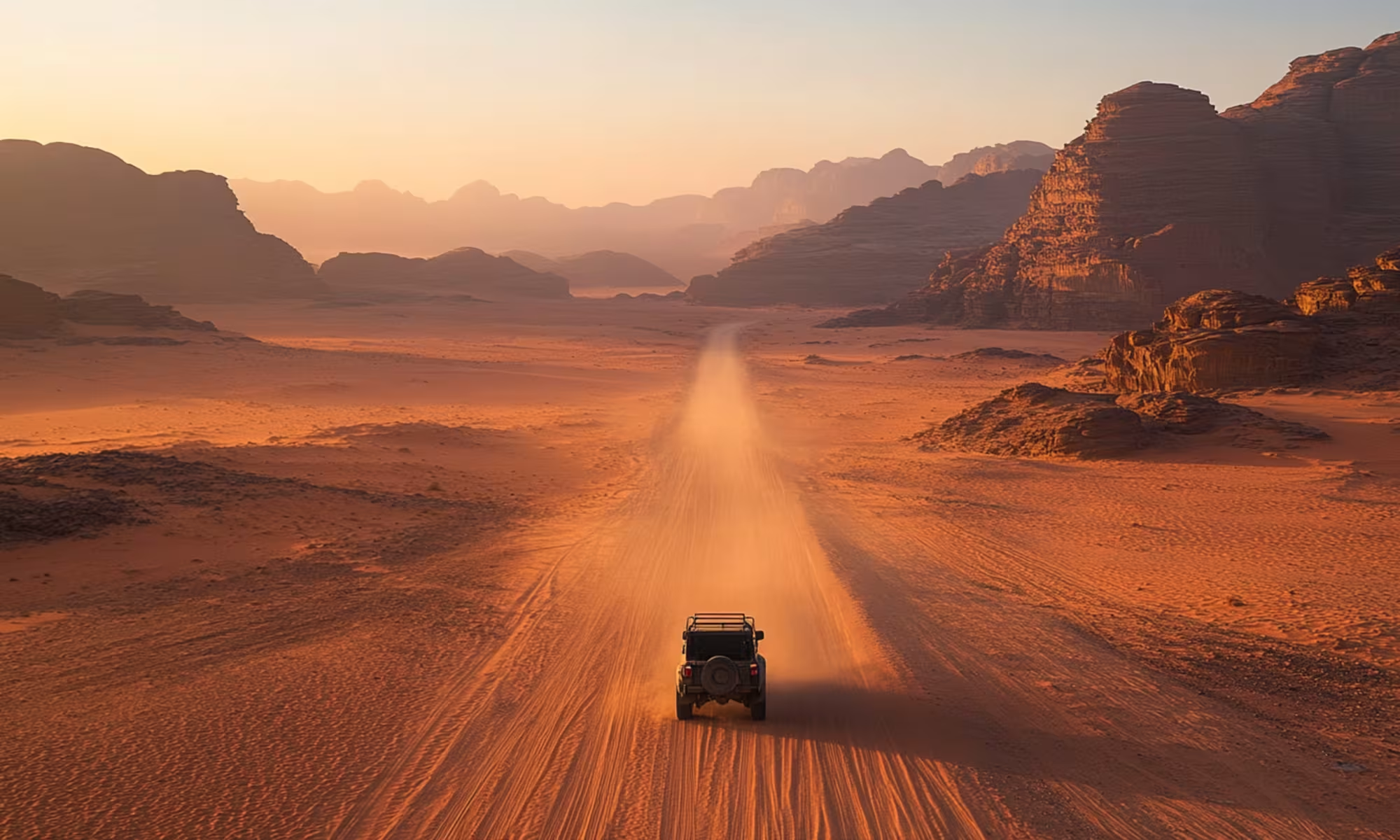
Wadi Rum is located in southern Jordan, east of the Rift Valley. The terrain is defined by massive sandstone and granite rock formations emerging from valleys of red and white sand. Standard vehicular access is ineffective; navigation requires 4×4 off-road transit. Key geographic coordinates within the protected area include Lawrence’s Spring, Khazali Canyon, and the Um Frouth Rock Bridge. Overnight stays are executed in specialized camps ranging from standard Bedouin tents to climate-controlled geodomes engineered for dark-sky observation.
The Dead Sea: The Lowest Elevation
Situated in the Jordan Rift Valley, the Dead Sea shoreline is Earth’s lowest land elevation, sitting at approximately 430 meters below sea level. The water possesses a hypersaline environment with approximately 34% salinity. This high density forces human buoyancy and prevents standard swimming mechanics. The water and surrounding mud contain high mineral concentrations. Access to the water is primarily controlled through hotel resorts and designated public beaches equipped with necessary freshwater showers. Decontamination with freshwater is mandatory immediately after submersion to prevent dermal irritation.
Aqaba: Red Sea Access
Aqaba is Jordan’s sole coastal city, located at the southern terminus of the country on the Gulf of Aqaba. It functions as a maritime trade port, a Special Economic Zone, and the center for marine recreation. Primary activities are centralized around coral reef observation, scuba diving, and snorkeling in the Red Sea.
Secondary Historical Coordinates
Several secondary sites warrant inclusion in extended itineraries. Madaba is recognized for its Byzantine and Umayyad mosaics, specifically the 6th-century cartographic map of the Holy Land located in St. George’s Church. Nearby Mount Nebo provides an elevated ridge with direct views of the Jordan River valley and the Dead Sea. In the northern highlands, Ajloun Castle serves as a prime example of 12th-century Muslim military architecture. Further south on the King’s Highway, Karak Castle stands as a massive Crusader fortress dominating the surrounding topography.
Frequently Asked Questions
What are the best places to visit in Jordan?
The primary locations required for a complete itinerary include Petra, Wadi Rum, the Dead Sea, Amman, and Jerash. Secondary sites include Aqaba, Madaba, and Mount Nebo.
What is the best time of year to visit Jordan?
March to May (Spring) and September to November (Autumn) are optimal. These periods avoid the extreme thermal highs of the summer months (June-August) and the low temperatures and precipitation associated with winter (December-February).
Is it safe to travel to Jordan?
Yes. Jordan maintains strict internal security and border control protocols. Tourist sectors, hotels, and transit routes are heavily monitored and protected by dedicated tourism police and national security apparatuses.
How many days are required to see Jordan?
A 7-to-10-day itinerary is the operational baseline required to cover the primary sites (Amman, Jerash, Dead Sea, Petra, Wadi Rum) without critical schedule compression or transit fatigue.
Do I need a visa to enter Jordan?
Yes. Visas can be obtained on arrival at Queen Alia International Airport. Purchasing the Jordan Pass prior to arrival waives the visa fee entirely, provided the user stays in Jordan for a minimum of three consecutive nights.